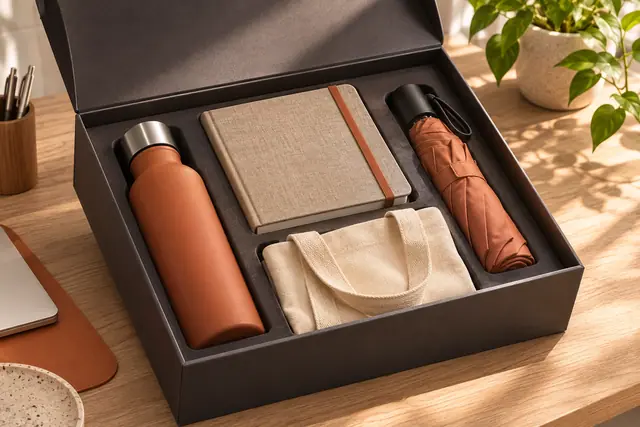
Building a Corporate Gift Set Program: Brief to Delivered Kits
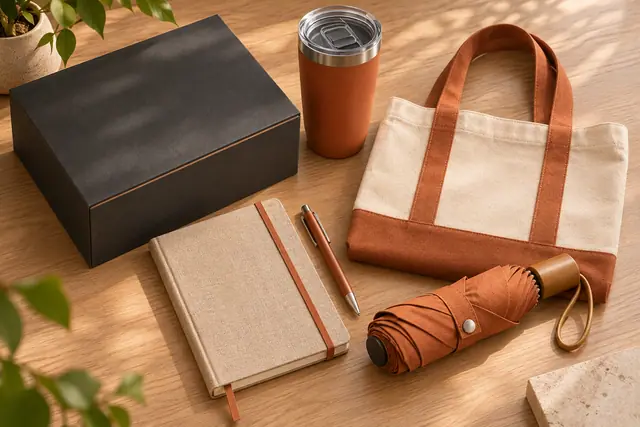
A step-by-step guide to corporate gift kits: writing the brief, selecting items, choosing branding methods, designing inserts, approving samples and kitting.







Logistics
Incoterms 2020 are standard trade rules from the International Chamber of Commerce that define who pays for transport, insurance and customs, and at what point risk passes from seller to buyer. For first-time importers of home goods, FOB is usually the best choice for full-container orders, while DDP or a forwarder-managed service is often simpler for small orders and samples. EXW and CIF can work, but both have drawbacks that new importers should understand first.
Incoterms are three-letter terms such as FOB or DDP that appear on quotations, purchase orders and invoices. Each term sets out three things:
The 2020 edition contains eleven rules. Some, such as FOB and CIF, are intended only for sea and inland waterway transport. Others, such as EXW, FCA and DDP, can be used for any mode. Always state the term together with a named place and the edition, for example "FOB Ningbo, Incoterms 2020", so there is no ambiguity.
Incoterms do not decide when you pay, who owns the goods or what quality is acceptable. Those points belong in your contract or purchase order.
Under EXW, the seller makes the goods available at its premises and the buyer handles everything else: loading, export clearance, freight, insurance, import clearance and delivery. It looks cheap on paper because the price includes no logistics.
In practice, EXW is awkward for first-time importers from China. The buyer is responsible for export clearance in a country where it has no legal presence, and the seller has no obligation even to load the truck. Many forwarders handle this, but costs at origin can be higher than expected. If you want to control freight yourself, FOB or FCA is usually cleaner.
Under FOB, the seller delivers the goods on board the vessel at the named port of shipment, for example Shanghai or Ningbo, and handles export clearance. The buyer pays ocean freight, insurance, import duties and delivery, and takes on risk once the goods are on board.
FOB is popular because the buyer chooses its own forwarder, gets visibility over freight rates and controls the shipment on the destination side. It is the default choice for most full-container orders of home goods.
The ICC notes that FOB is not ideal when goods are handed over at a container terminal before loading, and suggests FCA for containerized cargo. Many importers still use FOB by custom; if you do, agree clearly who pays the origin terminal charges.
Under CIF, the seller pays ocean freight and minimum cargo insurance to the named destination port, for example "CIF Los Angeles". However, risk passes to the buyer at the same point as FOB, when the goods are loaded on board in China. The buyer then pays destination port charges, import duties and onward delivery.
CIF can be convenient, but new importers are sometimes surprised by high destination charges, because the seller chose the carrier and freight rate. The insurance required by CIF is also basic cover; you may want broader insurance for fragile items such as ceramic vases or glass candle jars.
Under DDP, the seller delivers the goods to the named destination, cleared for import with duties and taxes paid. The buyer only unloads and receives. It is the easiest option for the buyer and is common for samples, small cartons and e-commerce sellers shipping to fulfillment centers.
The trade-off is control and transparency. You do not see how the goods were declared, and if the declared value or classification is wrong, problems can still affect you as the receiver or brand owner. Ask who acts as the importer of record, how duties and import taxes are calculated and whether the quote includes all destination fees.
EXW, FOB, CIF and DDP are the terms new importers see most often, but a few others appear on quotations for home goods:
DAP is sometimes a good middle ground for small importers: the seller manages freight to your door, while you keep control of customs declarations through your own broker.
| Cost or task | EXW | FOB | CIF | DDP |
|---|---|---|---|---|
| Loading at factory | Buyer | Seller | Seller | Seller |
| Export clearance | Buyer | Seller | Seller | Seller |
| Ocean or air freight | Buyer | Buyer | Seller | Seller |
| Cargo insurance | Buyer (optional) | Buyer (optional) | Seller (minimum cover) | Seller's risk |
| Risk passes to buyer | At seller's premises | On board at origin port | On board at origin port | At named destination |
| Import clearance and duties | Buyer | Buyer | Buyer | Seller |
| Delivery to your door | Buyer | Buyer | Buyer | Seller |
For samples and a few cartons, courier or air express is usually quoted to your door, often on a DDP or similar basis. The amount of money at stake is small and convenience matters more than control.
For a few cubic meters of goods, LCL sea freight shares container space with other shippers. Both FOB and DDP are common here. FOB with your own forwarder gives you clearer costs, while DDP keeps the process simple if you have no import experience.
Once you fill a 20 ft or 40 ft container, FOB (or FCA) with your own forwarder is usually the most cost-effective option and gives you control during the busy seasons. See our seasonal sourcing calendar for how freight timing fits into a seasonal plan.
Home Gift Factory can quote on the Incoterm that suits your order, consolidate goods from several factories into one shipment and coordinate with your forwarder. Learn more about how we work or request a quotation on the term that suits your order.
Both leave main freight to the buyer. Under FOB, the seller delivers goods on board the vessel, which suits bulk cargo. Under FCA, the seller hands goods to the buyer's carrier at a named place, such as a container terminal or warehouse. The ICC recommends FCA for containerized shipments, though FOB remains widely used.
The Incoterm affects which costs are included in the invoice value, and some customs authorities calculate duty on a value that includes freight and insurance while others use a value at the point of export. Ask your customs broker how your country values imports so you can estimate landed cost correctly before ordering.
Yes, if both parties agree before shipping arrangements are made. Changing terms affects pricing, booking and documents, so update the purchase order and pro forma invoice in writing. Make the change early, because once the seller has booked freight under CIF or DDP, switching to FOB may cause extra charges.
Many sellers use DDP through a forwarder experienced with fulfillment-center deliveries, because it covers customs and delivery appointments. Larger sellers often move to FOB with their own forwarder for better cost control. Whichever you choose, confirm labeling, carton requirements and who acts as importer of record before goods leave the factory.
Keep reading
A step-by-step guide to corporate gift kits: writing the brief, selecting items, choosing branding methods, designing inserts, approving samples and kitting.
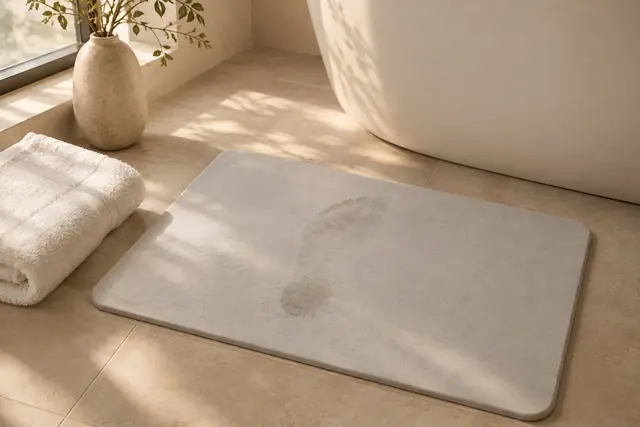
A buyer's checklist for diatomite bath mats covering absorption, density, asbestos testing, breakage-proof packaging, care guidance and how to cut returns.

A practical guide to steel grades, vacuum insulation, powder coat, laser, UV and sublimation branding, lid choices, food-contact compliance and quality checks.
Send an inquiry
Tell us what you need — products, quantities, branding and destination. A sourcing specialist replies with pricing, MOQs and lead times.